Top Pilot Batches Strategies for Successful Product Development?
In today's fast-paced market, effective product development is essential for success. One critical approach involves "Pilot Batches." These small-scale prototypes allow companies to test and refine products before full-scale production. Despite the benefits, many teams struggle to execute pilot batches effectively.
Implementing pilot batches requires careful planning and execution. Companies must identify clear objectives and gather relevant data throughout the process. However, mistakes often happen. Teams may overlook crucial feedback or fail to analyze results properly. These oversights can hinder progress and lead to costly rework. Embracing a culture of reflection and continuous improvement is vital.
Balancing speed with thoroughness is challenging. While rapid prototyping is appealing, rushing can yield poor insights. Proper evaluation of pilot batches can reveal critical user experiences. It's a learning journey, filled with both successes and setbacks. Recognizing areas for improvement is key to refining product strategies and achieving long-term success.

Understanding the Importance of Pilot Batches in Product Development
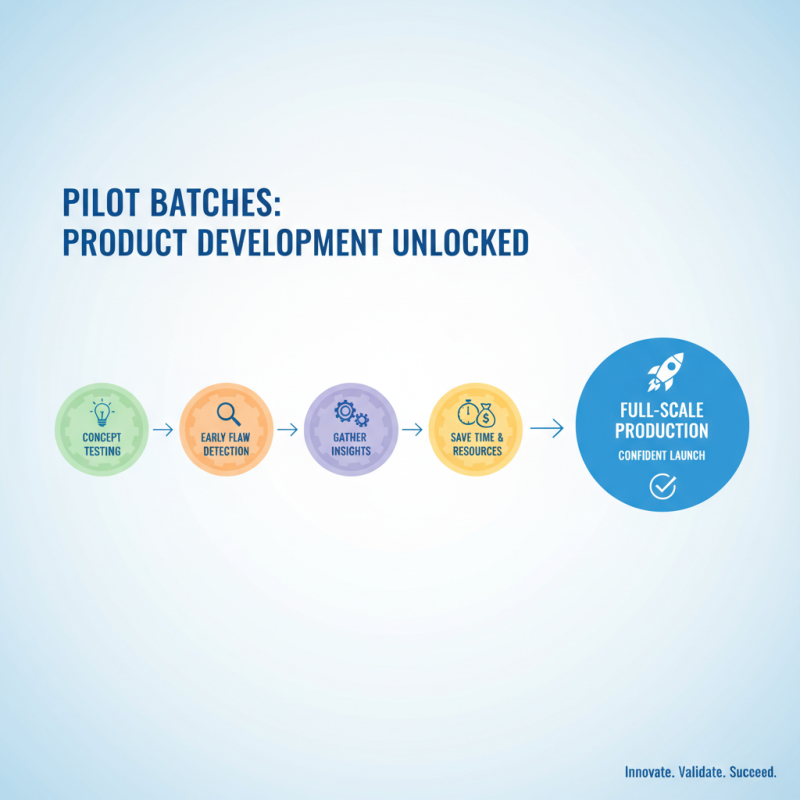
Pilot batches play a crucial role in product development. They allow teams to test concepts before full-scale production. Through pilot batches, companies can gather valuable insights. This process helps identify potential flaws early on. Early detection saves time and resources down the line.
When creating pilot batches, consider these tips. Begin with a small scale that mimics real conditions. This way, feedback will be more relevant. Engage your team in the testing process. Diverse perspectives can uncover issues you might miss. Be open to critique, even if it stings. Learn from it.
Additionally, collect data systematically. Analyze user feedback carefully. Not all reactions will be positive, and that’s okay. Adapt your product based on these responses. Continuous improvement is key in development. Remember, each pilot batch can provide a learning opportunity. Each failure teaches something new. Embrace the imperfections; they lead to breakthroughs.
Key Strategies for Designing Effective Pilot Batches
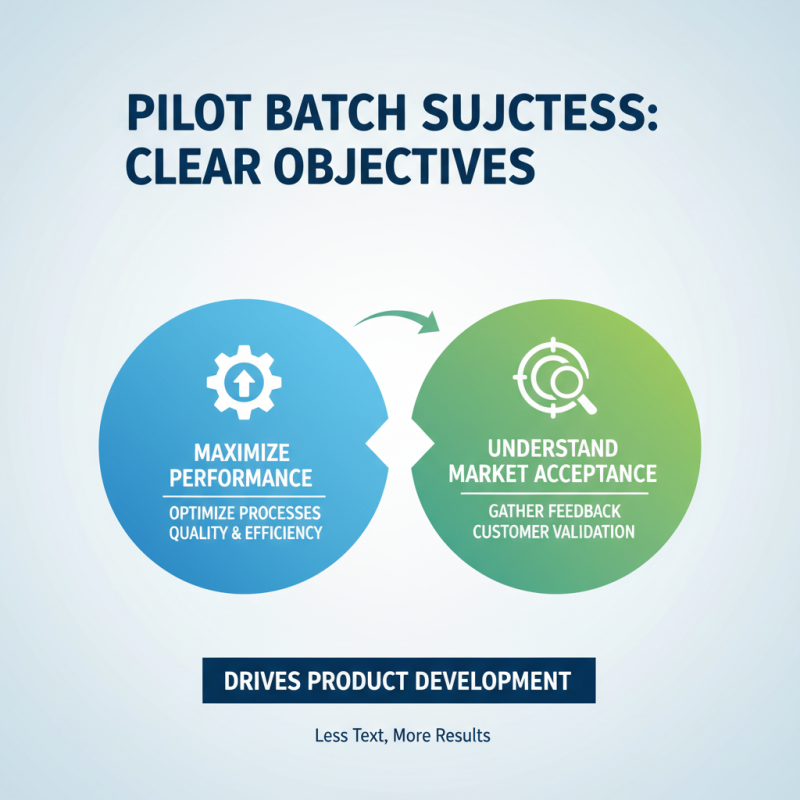
Designing effective pilot batches can significantly influence product development success. One crucial strategy is to define clear objectives. What do you want to achieve with this pilot? A specific focus could be on maximizing performance or understanding market acceptance.
Another essential aspect is selecting diverse team members. Engineers, marketers, and designers bring unique perspectives to the table. This diversity encourages creative solutions but can also lead to conflicts. It's vital to foster an open environment where ideas flow freely. Sometimes, these disagreements can yield unexpected improvements.
Testing various parameters is key. Monitor production costs, materials, and timelines. Collecting data is vital, but too much can overwhelm. Aim for meaningful insights rather than drowning in numbers. Reflecting on which metrics truly matter can help streamline processes. Mistakes are part of the journey. We learn from what doesn’t work. Embrace these lessons to refine future batches and enhance product quality.
Evaluating Market Feedback During Pilot Batch Testing
Pilot batch testing is crucial in product development. It allows teams to gather initial market feedback before a full launch. During this phase, testing products with a small audience provides insights into user preferences and potential pitfalls. Teams can observe how users interact with the product in real-time.
Market feedback is not always positive. Some comments may highlight flaws that the team overlooked. Discovering these issues early saves time and resources. It’s important to act on both positive and negative feedback. A single negative review can reflect a broader concern. Addressing it promptly can improve the final product.
Communicating with pilot users is essential. They often provide valuable suggestions for improvement. However, sifting through feedback can be overwhelming. Not all suggestions are feasible or relevant. Teams should prioritize actionable insights while maintaining an open mind. Developing a product is a process, and adaptability is key. Without reflection, even well-received products can miss the mark.
Top Pilot Batches Strategies for Successful Product Development
| Strategy |
Description |
Market Feedback Method |
Evaluation Period (Weeks) |
Success Rate (%) |
| Focus Groups |
Gathering qualitative insights from selected users. |
In-person discussions and interviews. |
4 |
85 |
| Surveys |
Anonymous feedback collection through questionnaires. |
Online survey tools. |
6 |
75 |
| Beta Testing |
Real-world usage of the product by selected customers. |
User activity tracking and feedback forms. |
8 |
90 |
| A/B Testing |
Comparing two product versions to see which performs better. |
Statistical analysis of user engagement. |
3 |
80 |
| Social Media Feedback |
Gathering public opinions and data from social channels. |
Monitoring social media mentions and comments. |
5 |
70 |
Iterating Product Features Based on Pilot Results
Iterating product features based on pilot results can significantly enhance product development. According to recent data from industry reports, over 70% of successful products undergo multiple iterations before launch. This iterative process allows teams to refine features based on user feedback, improving overall satisfaction.
For instance, a pilot program may reveal that a feature is not user-friendly. If only 35% of participants find it intuitive, there's room for improvement. Teams must act quickly to address such shortcomings. Engaging users during the pilot helps identify critical pain points. Up to 60% of companies that conduct thorough pilot testing report a higher market acceptance post-launch.
Data shows that agile methodologies lead to faster iterations. In fact, 80% of agile teams manage to release updates within two weeks. This responsiveness can foster a culture of continuous improvement. However, not all iterations are successful. Some changes may confuse users further, demonstrating the necessity to balance speed with thoughtful analysis. Collecting and interpreting pilot results is vital for making informed decisions.
Finalizing Production Plans Post-Pilot Phase Analysis
Finalizing production plans after a pilot phase requires careful analysis. Data from recent industry reports indicate that over 70% of prototypes fail to meet initial goals. This highlights the need for thorough evaluations post-pilot. Companies must assess usage data, gather feedback, and measure customer satisfaction. Effective analysis often involves not just numbers, but user experiences.
During this stage, focusing on actual user interactions is key. Surveys often reveal that around 40% of users find functionality lacking. Addressing these insights can improve the final product. Adjustments made at this point can significantly increase success rates. However, some teams may overlook critical feedback, leading to missed opportunities.
Quantitative metrics help, but not all numbers tell the full story. For instance, over 50% of users may prefer features that remain unlaunched. Companies must balance analytics with qualitative insights. Emphasizing real-life applications can refine a product. Understanding and reflecting on these factors ensures a more robust path to full-scale production.
Top Pilot Batches Strategies for Successful Product Development