Top Innovative Laboratory Designs for Cutting Edge Research and Development
Innovative laboratory designs are essential for fostering cutting-edge research and development in today's fast-paced scientific landscape. As the demands of modern research evolve, laboratories must adapt to new technologies and methodologies that enhance productivity and creativity. The design of a laboratory significantly influences the efficiency of research processes, collaboration between scientists, and the overall innovation output.
In this exploration of top innovative laboratory designs, we will delve into how thoughtful architectural and spatial arrangements can lead to breakthrough discoveries. By integrating flexible workspaces, advanced technology, and sustainable practices, these laboratories not only cater to the needs of researchers but also promote a culture of innovation. Emphasizing open collaboration, these designs encourage interdisciplinary interactions that are crucial for driving new ideas and technologies forward.
Ultimately, the journey towards creating an ideal innovative laboratory is not just about aesthetics or functionality; it reflects a commitment to advancing science and supporting the researchers who push the boundaries of knowledge. Through this article, we will highlight some of the best examples of innovative laboratory designs that exemplify the intersection of form and function, setting the stage for the next wave of scientific breakthroughs.
Top Trends in Laboratory Design for Enhanced R&D Efficiency
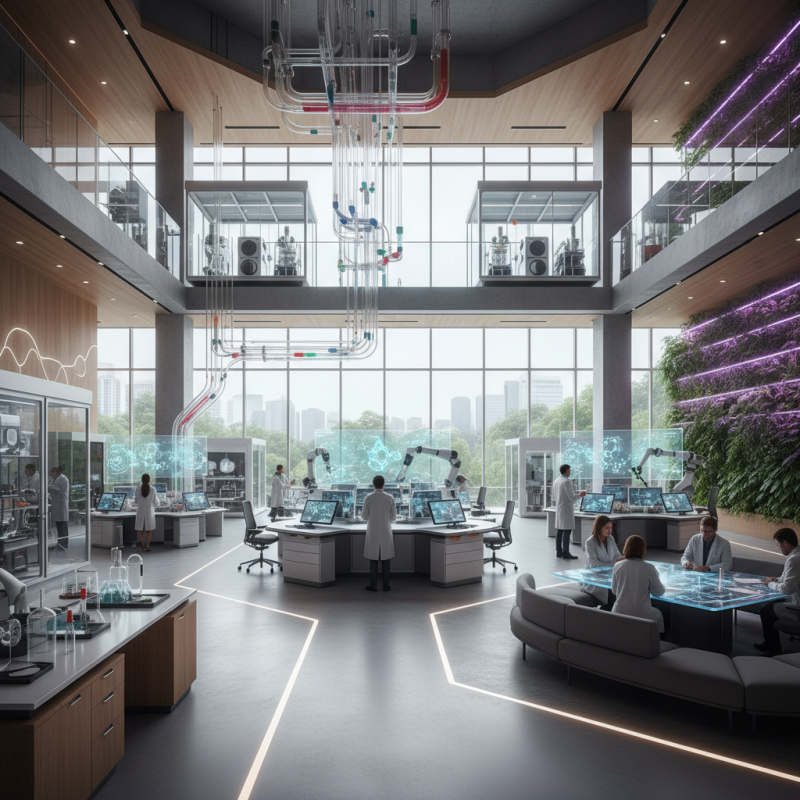
The design of laboratories is evolving rapidly, influenced by the need for enhanced research and development (R&D) efficiency. Recent studies indicate that innovative laboratory designs can boost productivity by up to 20% by optimizing workspace layouts and incorporating flexible environments. One notable trend is the emphasis on collaborative spaces that encourage interdisciplinary teams to work together seamlessly. As reported by the International Laboratory Design Conference, lab spaces that integrate open areas for discussion and brainstorming have been shown to enhance creativity and accelerate project timelines.
Moreover, advancements in technology are reshaping laboratory environments. Smart labs, equipped with IoT devices and advanced data analytics tools, allow researchers to monitor experiments in real-time and streamline workflows. According to a report by the Laboratory Equipment Manufacturers Association, labs that utilize automated systems and intelligent design principles have reported a reduction in downtime by approximately 30%. This shift not only facilitates more effective research but also enhances safety compliance by minimizing manual handling and potential hazards, ultimately leading to a culture of innovation and efficiency in R&D processes.
Top Innovative Laboratory Designs for Cutting Edge Research and Development
| Design Element |
Description |
Trend Level |
Impact on R&D |
| Modular Lab Space |
Flexible lab layouts that allow reconfiguration as project needs evolve. |
High |
Enhances collaboration and allows rapid adaptation to new projects. |
| Sustainable Materials |
Using eco-friendly materials in lab construction and furnishings. |
Medium |
Reduces environmental impact and promotes corporate responsibility. |
| Smart Lab Technologies |
Incorporation of IoT devices for real-time data monitoring and automation. |
High |
Increases efficiency and accuracy in data collection and analysis. |
| Collaboration Zones |
Designated areas for teamwork and brainstorming to foster innovation. |
High |
Encourages interdisciplinary collaboration and idea sharing. |
| Ergonomic Workstations |
Workstations designed to reduce strain and improve comfort for users. |
Medium |
Promotes productivity and reduces downtime due to discomfort. |
Key Features of Cutting-Edge Laboratory Spaces for Innovative Outcomes
Innovative laboratory spaces are at the forefront of advancing research and development, crucial for fostering groundbreaking discoveries. One key feature of these cutting-edge laboratories is their flexible design, which allows for adaptability as scientific needs evolve. Movable walls and modular furniture can transform a space to accommodate various projects, from collaborative brainstorming sessions to precision-focused experiments. This flexibility not only maximizes the efficiency of the workspace but also encourages creative interactions among researchers.
Another important aspect is the incorporation of advanced technology. Laboratories equipped with the latest digital tools facilitate data collection, analysis, and real-time collaboration. Smart laboratory systems enhance productivity by automating processes and improving safety measures. Energy efficiency is another feature that is gaining prominence, as labs increasingly integrate sustainable design principles to minimize their environmental impact without compromising functionality. These elements combine to create an environment that nurtures innovation and supports the rigorous demands of modern scientific inquiry.
The Role of Flexibility in Modern Lab Design for Evolving Research Needs
Modern laboratory designs are increasingly focused on flexibility to meet the dynamic requirements of research and development. As scientific disciplines evolve and new technologies emerge, laboratory spaces must adapt accordingly. A flexible lab environment can accommodate a variety of research activities, from biotechnology to materials science, without the need for extensive renovations. This adaptability not only enhances productivity but also fosters innovation, allowing researchers to swiftly pivot their methodologies in response to emerging trends or findings.
Incorporating modular furniture, adjustable work surfaces, and movable walls are practical solutions that contribute to a versatile lab space. These elements enable researchers to configure their workspaces according to immediate project needs or collaborative efforts. Furthermore, the integration of advanced technology and smart systems in the design can facilitate seamless transitions between different research functions. Emphasizing flexibility in lab design ultimately empowers scientists to explore uncharted territories, promoting a culture of creativity and exploration that is essential in the fast-paced world of modern research.
Sustainability Practices in Innovative Lab Designs and Their Benefits
In the realm of laboratory design, sustainability practices play a pivotal role in shaping innovative environments that foster cutting-edge research and development. By integrating energy-efficient systems, these laboratories minimize their ecological footprint while creating conducive spaces for scientists. For instance, the use of natural lighting, green materials, and efficient HVAC systems not only reduces energy consumption but also enhances the well-being of researchers. These design choices reflect a commitment to environmental responsibility, ensuring that scientific advancement does not come at the expense of our planet.
Moreover, sustainable lab designs promote circular economy principles, enabling materials to be reused and recycled within the laboratory setting. Flexible workspaces can be reconfigured as research needs evolve, reducing waste and extending the lifecycle of laboratory equipment. This adaptability not only supports ongoing innovation but also allows organizations to respond swiftly to emerging scientific challenges. Investing in sustainable lab designs ultimately leads to both operational efficiency and a positive impact on the environment, paving the way for future discoveries that align with global sustainability goals.
Impact of Technology Integration on Laboratory Functionality and Productivity
The integration of technology in laboratory design has profoundly transformed the way researchers conduct experiments and manage data. Modern laboratories are now equipped with advanced tools and digital platforms that streamline workflows, enhance collaboration, and facilitate real-time data sharing. This shift towards automation and connectivity not only accelerates the pace of research but also minimizes human error, allowing scientists to focus more on innovative problem-solving rather than repetitive tasks. For instance, the use of laboratory information management systems (LIMS) and cloud-based platforms enables seamless tracking of samples and results, thereby optimizing both time and resources.
Moreover, the functionality of labs has improved due to the incorporation of smart technologies, such as IoT sensors and artificial intelligence. These innovations allow for better monitoring of experimental conditions, ensuring consistency and reliability in results. Advanced analytics tools provide researchers with insights that can lead to new hypotheses and experimental designs. Furthermore, flexible laboratory designs that accommodate modular setups and multipurpose spaces foster interdisciplinary collaboration, essential for cutting-edge research and development. Overall, technology integration in laboratories significantly boosts productivity, supporting scientists in their quest for breakthroughs in various fields.