What is Food Laboratories and How Do They Impact Food Safety?
Food laboratories play a crucial role in ensuring food safety. They conduct rigorous testing on various food products to identify contaminants. According to the U.S. Food and Drug Administration (FDA), foodborne illnesses affect millions each year. In fact, they cause approximately 128,000 hospitalizations annually. This highlights the need for effective food safety measures.
These laboratories analyze food samples for pathogens like E. coli and Salmonella. Advanced techniques such as DNA sequencing and chromatography are common. However, many food laboratories face challenges, including funding and staffing shortages. The growing demand for food safety testing often outpaces available resources.
Despite advancements, issues persist in consistently delivering accurate results. A recent report indicated that up to 30% of tests may yield inconclusive findings. This leads to potential risks in public health. As consumers become more aware, the importance of food laboratories cannot be overstated. They are essential in fostering trust within the food supply chain.
What Are Food Laboratories and Their Role in Food Safety?
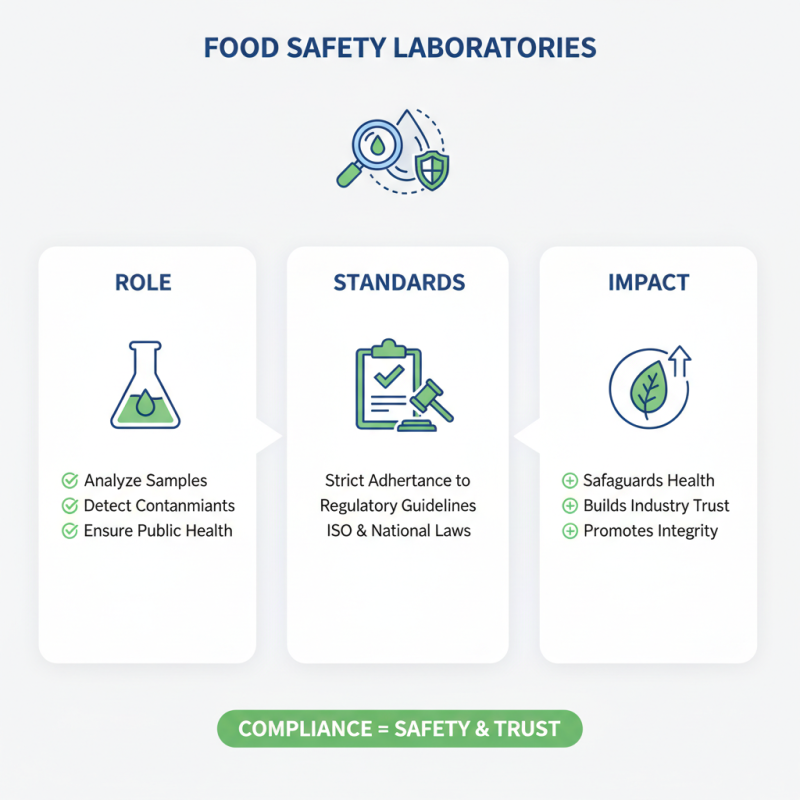
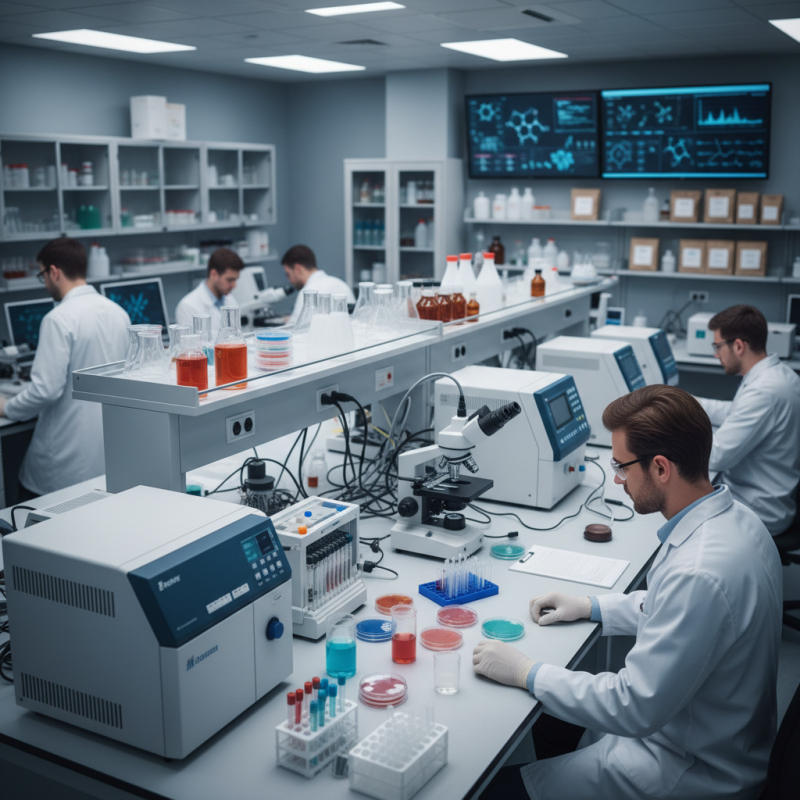
Food laboratories play a crucial role in ensuring food safety. They conduct tests to detect harmful pathogens and chemicals. This helps prevent foodborne illnesses that can affect public health. By analyzing samples, laboratories provide necessary insights. They check for nutrients, contaminants, and food quality. Their findings guide food producers and regulators alike.
Tip: Always check if the food has been tested by a certified laboratory. This ensures that what you consume is safe and free from harmful agents.
Moreover, food laboratories contribute to research. They inform about food trends and innovations. This can lead to better preservation methods. However, some laboratories might face pressure. This can affect their testing processes. It's vital to address these issues to maintain standards.
Tip: Stay informed about food safety practices. Understanding how laboratories operate can empower consumers. Knowledge is key to making safe food choices.
Food Laboratories and Their Impact on Food Safety
This bar chart illustrates the percentage of food safety tests performed by food laboratories across different food categories. The data shows how frequently these tests are conducted to ensure public health and safety.
Types of Food Laboratories and Their Specializations
Food laboratories play a crucial role in maintaining food safety. They focus on various types of testing to ensure the food we consume is safe. These laboratories often specialize in microbiology, chemistry, and sensory analysis. Each type of lab has unique functions and focuses that contribute to food safety.
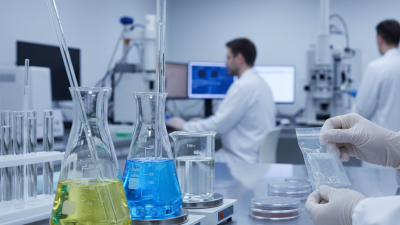
Microbiology labs test for pathogens, such as bacteria and viruses. This testing helps prevent foodborne illnesses. Samples are collected from food products and environments, providing data to identify contamination sources. Chemistry labs analyze nutritional contents, additives, and potential toxins. They ensure that food labels are accurate and that additives remain within safe limits.
Sensory analysis labs evaluate taste, texture, and appearance. These labs gather consumer feedback through structured tastings. Yet, they often face challenges in subjective preferences. Balancing accuracy and personal tastes is complex. Food laboratories work continuously to improve methods, but they sometimes overlook certain factors. This need for reflection is vital for enhancing food safety systems.
Key Methods and Technologies Used in Food Testing
Food testing plays a crucial role in maintaining food safety. Various methods and technologies are employed to ensure that food products are safe for consumption. One widely used technique is microbiological testing. This identifies harmful bacteria like E. coli and Salmonella in food samples. A report by the FDA indicates that nearly 48 million Americans get sick from foodborne illnesses each year.
Another vital method is chemical analysis, where labs test for pesticide residues, heavy metals, and other contaminants. According to the USDA, about 15% of food samples contain detectable levels of pesticides. This raises concerns about long-term health effects on consumers. It is imperative to identify and minimize these risks.
In addition, rapid testing methods such as PCR (polymerase chain reaction) have gained popularity. They allow for quick results, often within hours. While effective, these methods may not detect all types of pathogens. Thus, reliance on any single testing approach can lead to gaps in safety. Continuous refinement of these methodologies is necessary to enhance food safety standards.
Impact of Food Laboratories on Public Health and Consumer Confidence
Food laboratories play a crucial role in ensuring food safety by testing various products for contaminants and quality standards. They analyze food samples to detect harmful bacteria, pesticides, and additives. This rigorous process helps protect public health.
However, not every lab meets the same high standards. Some lack the necessary equipment or trained personnel, leading to unreliable results.
The impact of food laboratories extends beyond safety. Consumers depend on these tests to make informed choices. When people trust lab results, their confidence in the food supply increases. A positive reputation builds customer loyalty. Yet, there are flaws in the system. Some laboratories may prioritize speed over accuracy, compromising the trust of the public. Those shortcomings reveal a need for continuous improvement in testing procedures.
In recent years, awareness of food safety has risen. Many consumers actively seek information on how food is tested. However, misinformation can also spread quickly. Ensuring transparency in laboratory practices is essential. Clear communication about testing processes helps maintain public trust. Yet, not all laboratories emphasize this. Addressing these gaps in reliability and transparency is vital for the industry’s growth and public health.