How to Create an Innovative Laboratory for Cutting Edge Research?
Creating an Innovative Laboratory is crucial for advancing cutting-edge research. The demand for innovation in laboratories has surged. According to a recent report by Research and Markets, the global laboratory space market is expected to reach $XXX billion by 2026, reflecting a compounded annual growth rate (CAGR) of XX%. This growth highlights the need for spaces that foster creativity and experimentation.
An Innovative Laboratory requires more than just advanced equipment. It's about cultivating an environment where collaboration thrives. A study from the National Institute of Health found that interdisciplinary teams are 30% more likely to produce breakthrough discoveries. However, many laboratories struggle with rigid structures and outdated practices. It’s essential to address these barriers and encourage flexible methodologies.
Building an Innovative Laboratory also encompasses smart design and sustainable practices. Energy-efficient systems and adaptive spaces can significantly enhance research outcomes. However, implementing these principles often faces resistance due to budget constraints or established traditions. Reflecting on these challenges is vital for developing a truly innovative environment that meets modern research needs.

Defining the Goals and Vision for the Innovative Laboratory
Defining the goals and vision for an innovative laboratory is vital for groundbreaking research. Start by envisioning the core purpose. What areas of science do you want to impact? Having a clear mission can foster motivation among team members. Create a list of objectives. It may involve advancing sustainable technologies or enhancing medical therapies. Align your team around these shared goals.
Next, focus on the environment. Consider the layout and resources needed. Will the lab facilitate collaboration? Open spaces encourage interaction, while quiet zones promote concentration. Be prepared to ask difficult questions. Are your current facilities adequate? Identifying shortcomings can drive future improvements. Regular feedback from the team will refine both goals and vision. Encourage discussions where team members reflect on their progress and obstacles.
Lastly, embrace flexibility. Research priorities may shift based on findings. A rigid plan could hinder innovation. Adaptability helps maintain relevance in a fast-paced scientific landscape. Create a culture of openness. Allow team members to propose changes. This engagement keeps everyone invested in achieving shared objectives.
Designing the Physical Space for Optimal Research Collaboration
When designing a laboratory for cutting-edge research, space plays a crucial role. Open layouts can foster collaboration. Think about using flexible workstations. This allows researchers to move around easily. They can gather information and brainstorm ideas together. Natural light is essential too. It can enhance mood and productivity. Plants can make the space feel livelier and more inviting.
Consider incorporating shared areas for informal meetings. Comfortable seating can encourage spontaneous discussions. However, it is vital to ensure privacy for focused work. Striking this balance is not easy. Sometimes, the layout may limit interaction. Reflecting on these challenges is important. Technology needs should also be addressed. Charging stations and adequate power outlets are necessary.
Safety should never be overlooked. Clearly marked exits and proper ventilation systems are critical. Researchers need to feel secure while working. Regular feedback from users can help optimize the design. Spaces should evolve as research needs change. Continuous improvement is key to innovation. Consider hiring a diverse team for a broader perspective.
Integrating Cutting-Edge Technology and Equipment into the Lab
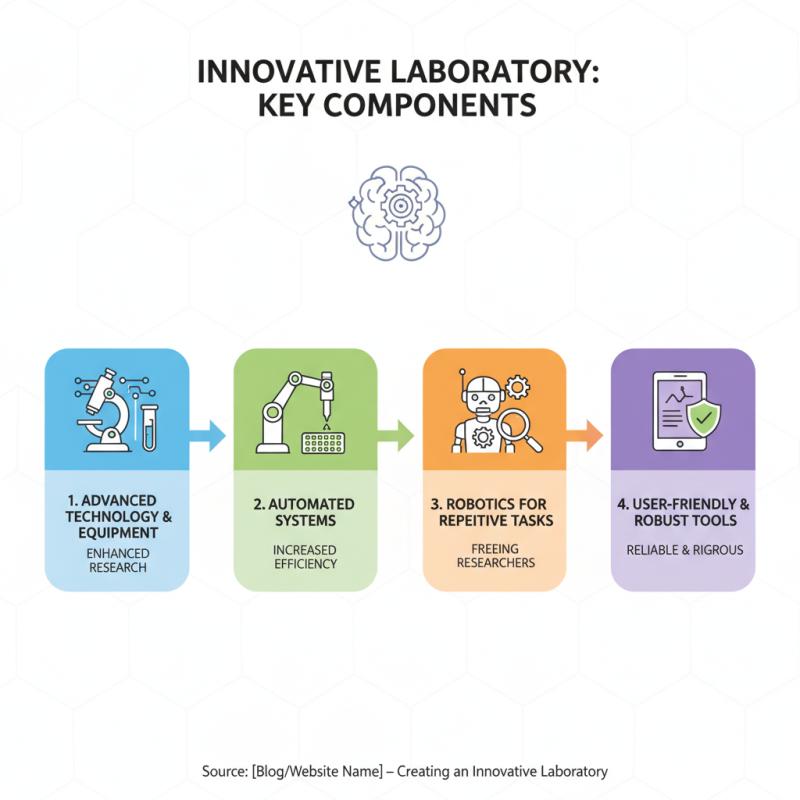
Creating an innovative laboratory involves integrating advanced technology and equipment. It's essential to select tools that enhance research capabilities. For instance, using automated systems can increase efficiency. Robotics can handle repetitive tasks, freeing researchers for analysis and creative thinking. These tools should be user-friendly yet robust, ensuring they can withstand rigorous use.
Moreover, the setup must encourage collaboration. Open spaces with flexible layouts enable teams to brainstorm and interact. However, this can lead to distractions. Balancing quiet work areas with collaborative zones is crucial. Lighting plays a role too; inadequate lighting can reduce focus. It's important to assess lighting conditions regularly.
Incorporating virtual reality and artificial intelligence can add depth to research. These technologies allow for simulations and complex data analysis. However, reliance on technology can create barriers. It's vital to maintain foundational skills and not lose sight of traditional methods. Continuous reflection on the integration process is necessary. This ensures that the lab evolves effectively, adapting to both successes and challenges.
Fostering a Culture of Innovation and Continuous Learning
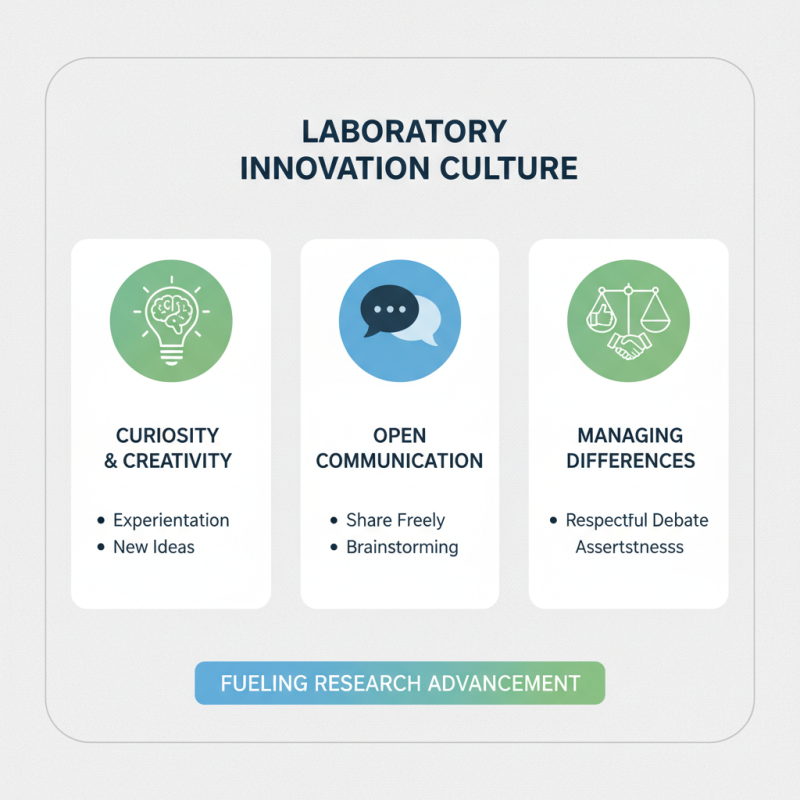
Creating a culture of innovation within a laboratory is essential for advancing cutting-edge research. An innovative lab thrives on curiosity and creativity. Encouraging open communication helps team members share ideas freely. Consider establishing brainstorming sessions. These gatherings can spark new solutions. However, managing differing opinions can be challenging. Balancing assertiveness with respect is key.
Continuous learning is vital in a fast-paced research environment. Offer workshops and training on new technologies. Encourage participation in conferences that inspire fresh perspectives. It's crucial to allow time for reflection on both successes and failures. This practice fosters resilience. Embrace setbacks as learning opportunities. Yet, not every approach will yield positive outcomes, and that’s okay.
Physical space also plays a role in fostering innovation. Flexible workspaces can ignite collaboration among researchers. Create areas for both quiet focus and teamwork. Yet, the design process isn’t perfect. Sometimes these spaces can be restrictive. Regular feedback from lab members can lead to improvements. Thus, nurturing a culture of innovation requires effort and adaptation.
Establishing Collaborative Partnerships with Academic and Industry Leaders
Creating an innovative laboratory hinges on collaborating with both academic and industry leaders. Developing these partnerships can be complex. It requires thoughtful planning and clear communication. Start by identifying potential collaborators whose interests align with your research goals. Engage them in discussions to explore shared objectives.
Building trust is crucial. It may involve challenges. Establish open channels where ideas flow freely. Regular meetings can foster this. However, not every collaboration will be successful. Some partnerships may falter due to differing priorities or misaligned visions. Acknowledging these difficulties helps refine future strategies.
Innovation thrives in diverse environments. Involve experts from various disciplines. This diversity can lead to unexpected breakthroughs. Celebrate small victories but also learn from setbacks. Regularly reflect on your collaboration approach. Adapt as needed, ensuring the lab remains at the forefront of research.
How to Create an Innovative Laboratory for Cutting Edge Research? - Establishing Collaborative Partnerships with Academic and Industry Leaders
| Dimension |
Description |
Outcome |
| Research Area Focus |
Identify key research areas for collaboration based on market trends and scientific advancements. |
Increased relevance and funding opportunities for research projects. |
| Collaborative Networks |
Establish and maintain partnerships with universities and research institutions. |
Enhanced resource sharing, access to expertise, and innovative ideas. |
| Funding Opportunities |
Collaborate on grant applications and joint funding initiatives. |
Greater chances of securing financial support for cutting edge research. |
| Knowledge Transfer |
Implement programs for sharing knowledge and technology between labs and partners. |
Accelerated research progress and innovation. |
| Research Infrastructure |
Invest in state-of-the-art facilities and equipment. |
Highly efficient research processes and high-quality results. |