How to Choose the Right Food Laboratories for Your Testing Needs?
Choosing the right food laboratories is crucial for ensuring quality and safety. The right laboratory can impact product development. It can also influence regulatory compliance. Food laboratories vary in expertise, services, and technology.
Different laboratories specialize in various areas. Some focus on microbiological testing, while others emphasize chemical analysis. Understanding these differences is essential. A laboratory's credentials are a critical factor. Certifications and accreditations provide insight into their standards. However, not every certification guarantees quality.
Consider the laboratory's reputation. Reviews from other clients can reveal strengths and weaknesses. Communication is also a key element. Clear, responsive communication makes the testing process smoother. Reflect on your specific needs, as each product may require tailored testing. This thoughtful approach leads to better decisions.
Identifying Your Specific Testing Requirements and Goals
Choosing the right food laboratory starts with identifying your specific testing requirements. Each product has unique characteristics. For instance, microbiological testing is crucial for meat products. A recent report revealed that 25% of foodborne illness cases are linked to undercooked meats. Understanding what you need is vital.
You may focus on chemical analysis if you’re testing for allergens. The Food Allergy Research and Resource Program notes that as many as 32 million Americans live with food allergies. Clear goals help laboratories cater to your needs. Ensure they provide the right certifications and expertise.
**Tip:** Consider the laboratory's experience with your specific food types. Experience often leads to accuracy and regulatory compliance.
Testing can be expensive. You want value per dollar spent. Some laboratories might offer low prices but lack precision. This can lead to inaccurate results. Reflect on your priorities: speed, cost, or reliability.
**Tip:** Seek multiple quotes before making a decision. Compare not just costs but also services offered.
Assessing the Laboratory's Accreditation and Certifications
When choosing a food laboratory for testing, accreditation is key. Look for labs accredited by recognized bodies. This ensures they meet industry standards. Certifications indicate a commitment to quality. They reflect a lab's reliability and expertise.
Tips: Check if the lab has ISO certifications. These are globally recognized. They display adherence to best practices. Do not hesitate to ask for details about their accreditations. Transparency is a good sign. If a lab hesitates to provide this information, consider it a red flag.
Also, evaluate the lab’s experience in your specific field. Some may specialize in certain food types. Others might focus on different testing methods. Knowing their strengths can guide your choice. Remember, not all labs are created equal. Make informed decisions based on what matters most to you.
Evaluating Laboratory Equipment and Technology Capabilities
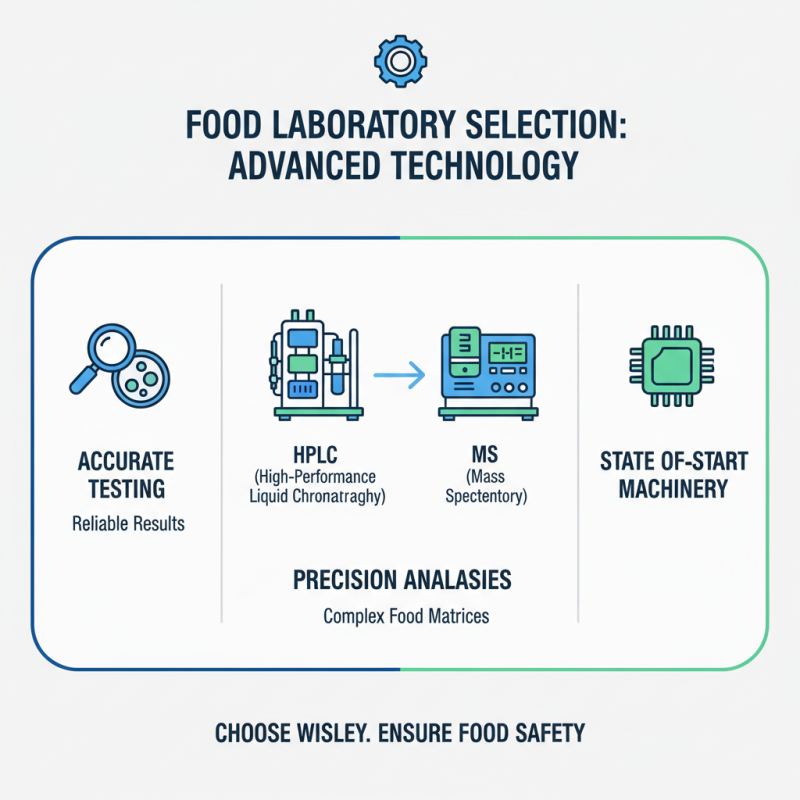
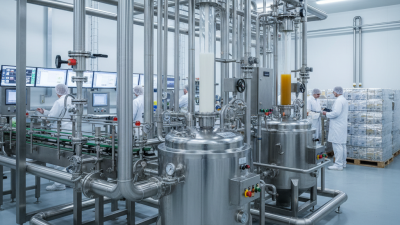
When selecting a food laboratory, it's crucial to evaluate their equipment and technology. Advanced tools ensure accurate testing and reliable results. Look for laboratories equipped with state-of-the-art machinery. This can include high-performance liquid chromatography (HPLC) and mass spectrometry (MS) systems. Such technologies boost the precision of analyses, especially for complex food matrices.
Consider the laboratory's capability to adapt to new technologies. Innovation plays a vital role in food testing. A lab that frequently upgrades its equipment can provide better services. Research their track record of integrating novel technologies. Sometimes, older methods may still be in use, so inquire about their rationale. Are they stuck in the past, or do they embrace change?
Pay attention to the technicians’ expertise with the equipment. Trained personnel are essential for accurate testing. Their familiarity with machinery directly affects reliability. A laboratory may have top-notch tools, but if staff are not properly trained, results suffer. Reflect on how important this factor is for your unique testing needs.
Reviewing Laboratory Experience and Expertise in Your Industry
When selecting a food laboratory, expertise plays a critical role. A lab's background in specific testing areas can significantly influence results. For instance, if a lab specializes in microbiology, its technicians likely bring valuable insights to food safety tests. Experience in your industry matters, as each sector has unique needs. A lab familiar with dairy products will have different protocols compared to one focused on plant-based foods.
It's also essential to consider the lab's certifications and accreditations. These credentials indicate a commitment to quality and adherence to industry standards. However, not every laboratory meets these expectations. Some may cut corners to save costs or lack updated methods. Delve into their track record. Are they known for accurate results? Do they have a history of dealing with your type of products? A lab's reputation among peers often reflects its actual performance.
Communication is another vital aspect. A lab that doesn't engage transparently might lead to misunderstandings. Clear dialogue about methodologies can prevent issues later. Ask detailed questions about their testing processes. Assessing their responsiveness can reveal their level of professionalism. A strong laboratory partner should provide ongoing support and advice, ensuring that your testing needs are consistently met.
How to Choose the Right Food Laboratories for Your Testing Needs?
| Laboratory Type |
Experience (Years) |
Certifications |
Specializations |
Average Turnaround Time |
| Microbiology Lab |
15 |
ISO 17025, FDA |
Pathogen Testing, Shelf Life Studies |
7 days |
| Chemical Analysis Lab |
10 |
ISO 17025 |
Ingredient Verification, Allergen Testing |
5 days |
| Nutritional Analysis Lab |
12 |
FDA, AAFCO |
Nutritional Labeling, Fortification Studies |
10 days |
| Sensory Evaluation Lab |
8 |
ISO 8586 |
Flavor Profile, Consumer Testing |
14 days |
Comparing Costs and Turnaround Times for Testing Services
When selecting a food laboratory, cost and turnaround time are key factors.
Different labs offer various pricing structures based on their services.
Some may charge per test, while others provide package deals.
It’s essential to get detailed quotes from multiple labs to ensure you're making an informed decision.
Turnaround times also vary widely. Some labs promise results in a few days, while others may take weeks.
This can greatly impact your supply chain and product launch.
Be cautious of unusually fast turnaround times, as they may raise questions about the thoroughness of testing.
Understanding your urgency is crucial.
Tips: Check their accreditation. This often correlates with quality.
Visit their facilities if possible; a clean lab usually means better results.
Always ask for references. Speaking with previous clients offers insights into their reliability and consistency.