2026 Top Carbonated Drink Machine Features and Benefits?
The beverage industry is rapidly evolving, driven by the demand for innovative solutions. The carbonated drink machine has become a key player in this transformation. According to a recent report by Allied Market Research, the global market for carbonated soft drinks is projected to reach $450 billion by 2026. This growth highlights the increasing popularity of refreshing beverage options.
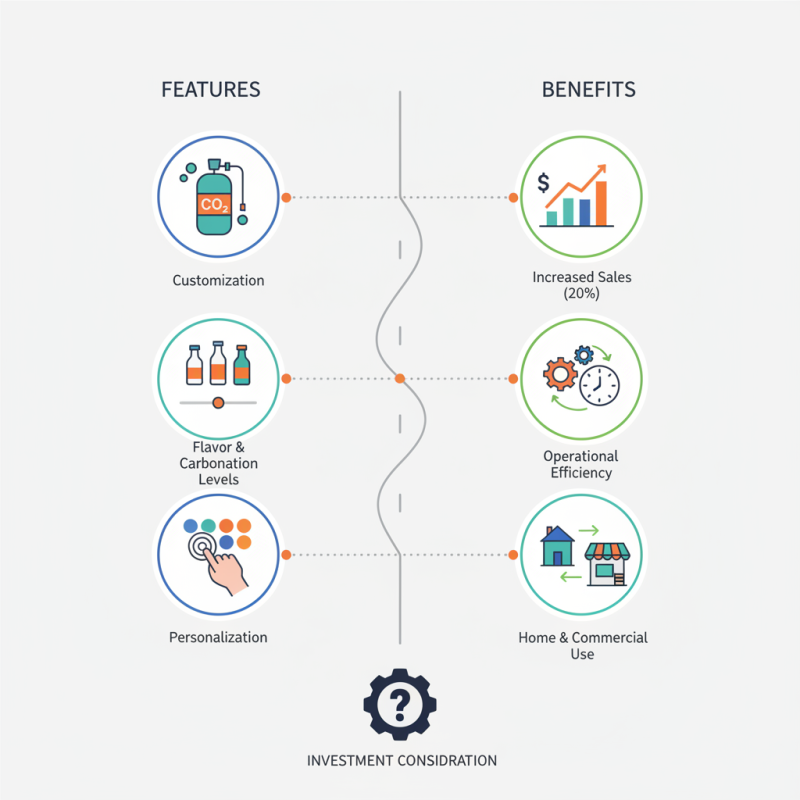
Modern carbonated drink machines offer unique features that cater to changing consumer preferences. They provide customization options, allowing users to choose flavors and carbonation levels. This personalization is crucial. Younger consumers crave unique experiences, and these machines deliver just that. However, with innovation comes challenges. Many machines rely on complex technology, which can lead to maintenance issues.
The benefits of a carbonated drink machine extend beyond consumer satisfaction. They can improve operational efficiency in restaurants and cafes. Reports indicate that establishments using these machines experience a 20% increase in beverage sales. Still, the cost of implementation can be high. Whether for home use or commercial settings, careful consideration is required when investing in a carbonated drink machine.
Overview of Carbonated Drink Machines in 2026
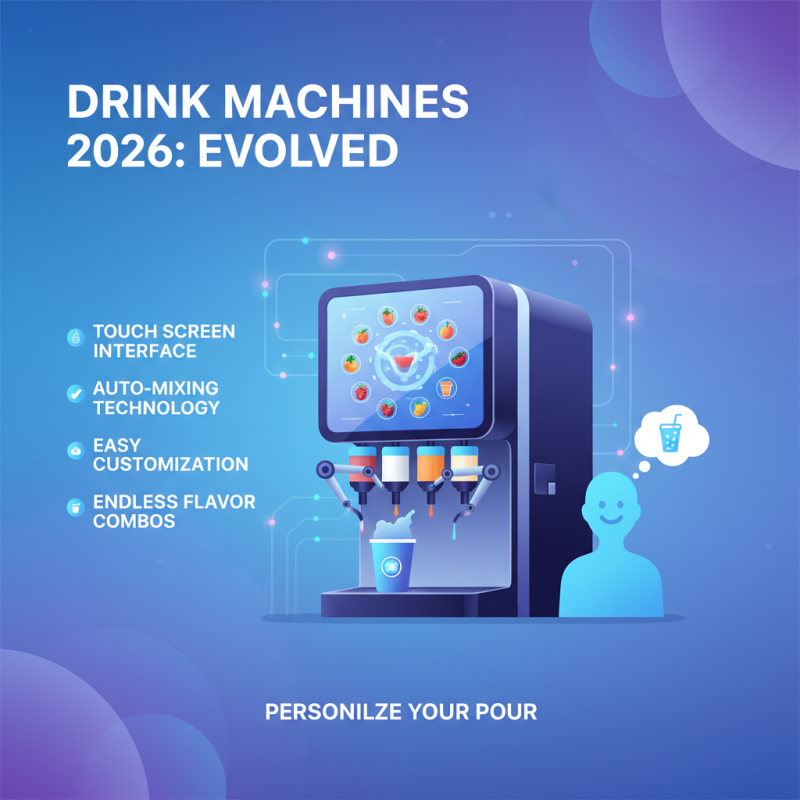
In 2026, carbonated drink machines continue to evolve. These machines now offer enhanced features like touch screens and automatic drink mixing. User-friendly interfaces make it easy to customize beverages. People appreciate the ability to choose from various flavor combinations.
Tips: Consider your space. Some machines are compact, while others need more room. Measure your area to find the perfect fit.
With new features, some machines also have eco-friendly options. Reusable cups and reduced waste systems are more common. This shift reflects a growing awareness of environmental impact. Yet, not all machines effectively implement these changes.
Tips: Look for energy-efficient models. They can save money in the long run, even if the initial cost is higher. Always read reviews to gauge performance.
These advancements show both promise and room for improvement. Many options exist, but users must remain informed. Selecting the right machine can be daunting. Balancing features, price, and sustainability is key.
Key Features of Modern Carbonated Drink Machines
Modern carbonated drink machines boast impressive features tailored to meet consumer demands. These machines now include customizable carbonation levels. According to a recent industry report, over 65% of consumers prefer drinks tailored to their tastes. This shift has pushed manufacturers to innovate, offering user-friendly interfaces for easy adjustments.
Another notable feature is the integration of eco-friendly practices. Many machines now utilize recyclable or biodegradable materials. Despite this, sustainability efforts can be hit or miss. Reports indicate only 30% of manufacturers adhere to strict environmental guidelines. This inconsistency raises questions about the industry's commitment to reducing its carbon footprint.
Finally, connectivity plays a crucial role in this evolution. Modern machines often feature smart technology. This allows users to order drinks remotely or track consumption patterns. Yet, this technology can be complicated. A survey found that 40% of users struggled with the connected features. This indicates a need for better design and user education.
2026 Top Carbonated Drink Machine Features and Benefits
Benefits of Using Advanced Carbonated Drink Machines
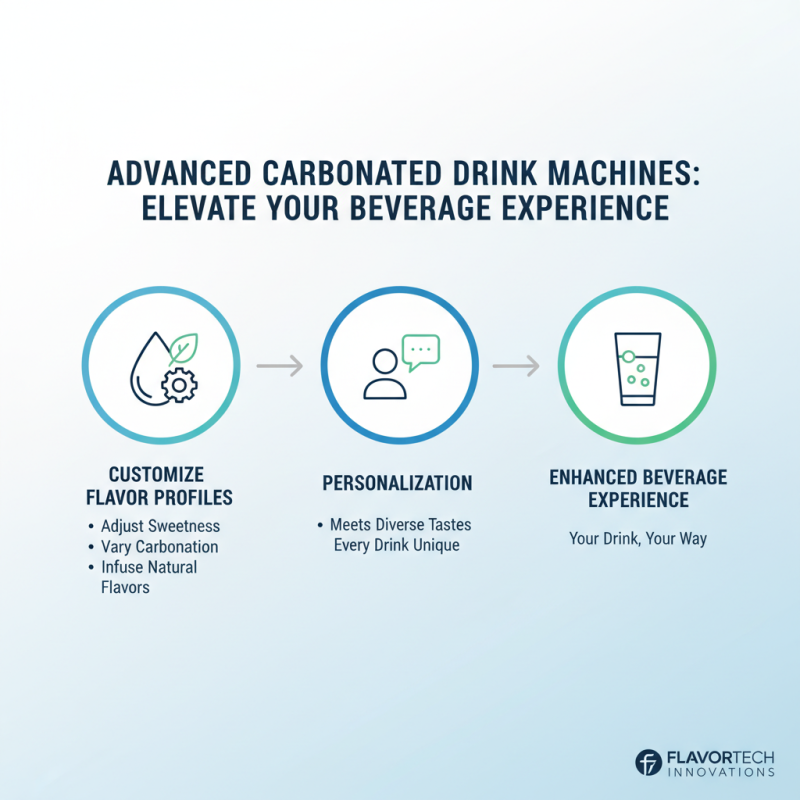
Advanced carbonated drink machines offer numerous benefits that enhance the beverage experience. These machines can customize flavor profiles. Users can adjust sweetness, carbonation levels, and even add natural flavors. This personalization meets diverse customer preferences, making every drink unique.
Tips: Consider the audience when selecting flavors. Test small batches to find popular options. Always ask for feedback to improve choices.
Another major advantage is efficiency. Modern machines can reduce wait times significantly. Users can get their drinks quickly, boosting customer satisfaction. Additionally, many of these machines are designed with eco-friendly technology. They cut down on single-use plastic waste, appealing to environmentally conscious consumers.
Tips: Regular maintenance ensures optimal performance. Inspect machine parts frequently. Clean nozzles and tubes to avoid clogs or leaks.
These advanced machines are not just about convenience. They can also attract a younger demographic. Many millennials and Gen Z consumers prefer unique beverage experiences. By providing customizable drinks, you can keep them engaged while also offering something different.
Comparative Analysis: Traditional vs. 2026 Carbonated Drink Machines
The landscape of carbonated drink machines is evolving rapidly. A comparative analysis reveals significant differences between traditional machines and those anticipated in 2026. Traditional machines often rely on carbonation tanks and limited flavors. In contrast, 2026 machines will likely integrate advanced technology. These innovations promise enhanced user customization and offer a broader range of flavor options.
Data from industry reports suggests that consumer preferences are shifting. Around 70% of buyers want personalized drink experiences. Modern machines are expected to allow real-time adjustments to carbonation levels and sweetness. They may also require less maintenance thanks to automated cleaning systems. However, these machines could come with higher initial costs. Stations must weigh the long-term benefits against upfront investments.
Moreover, traditional machines can be challenging to operate for some staff. The complexity of flavors and options in new machines could overwhelm them initially. There’s a learning curve attached to mastering the technology. Operators must adapt quickly to these changes to meet customer expectations. Balancing innovation with usability presents ongoing challenges in this industry.
Future Trends in Carbonated Drink Machine Technology
The landscape of carbonated drink machines is rapidly evolving. With technology advancing, we see smart machines that provide tailored beverage options. Features like touchless dispensing, tailored flavor mixing, and real-time inventory tracking are becoming standard. These innovations enhance user experiences by offering personalized choices and reducing wait times.
One intriguing trend is the integration of AI. This technology can predict consumer preferences based on past orders. It’s exciting but raises questions about privacy and data use. These machines might also have sustainability features, like using eco-friendly materials. However, the balance between innovation and environmental impact is delicate.
Moreover, machines are becoming more interactive. Touchscreens provide engaging interfaces. Users can customize drinks visually. Yet, this can lead to decision fatigue. Choices seem endless, which can overwhelm some customers. The future of these machines promises convenience but also challenges that require careful thought.
2026 Top Carbonated Drink Machine Features and Benefits
| Feature |
Description |
Benefits |
| Smart Connectivity |
IoT-enabled for real-time monitoring and updates. |
Enhances operational efficiency and reduces downtime. |
| Custom Drink Recipes |
Allows users to create tailor-made carbonation levels and flavors. |
Increases customer satisfaction and engagement. |
| Energy Efficiency |
Designed to consume less energy without compromising performance. |
Lowers operating costs and environmental impact. |
| User-Friendly Interface |
Touchscreen controls offering intuitive navigation. |
Improves user experience and reduces training time. |
| Self-Cleaning Mechanism |
Automated cleaning cycle to maintain hygiene. |
Ensures quality and safety, thereby increasing customer trust. |
| Compact Design |
Space-saving architecture suitable for various locations. |
Maximizes utility of limited space. |